


Thinking About Moving to Big Bear?
Real Costs, Lifestyle Changes, Jobs, Neighborhoods & What Locals Wish They Knew.
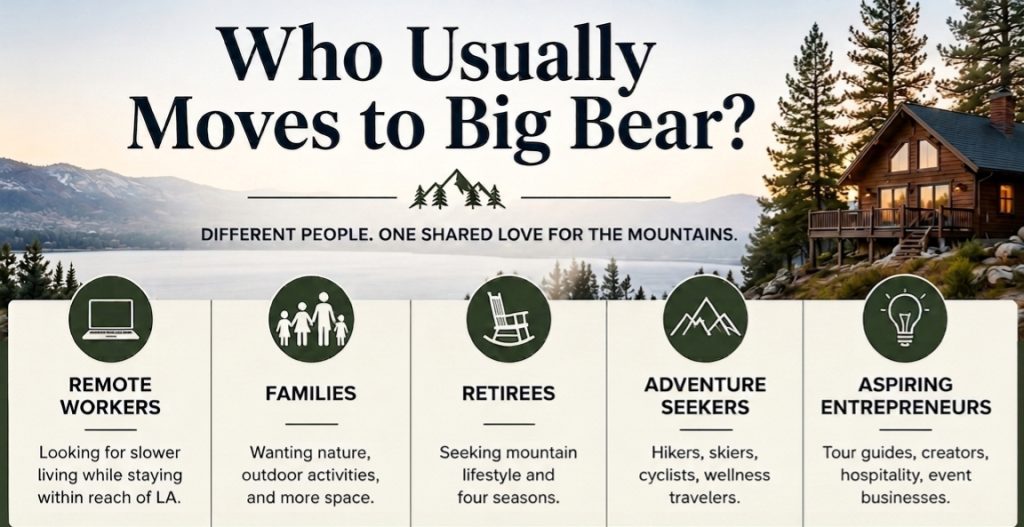
Moving to the mountains is a dream for many, offering a serene escape filled with fresh air and endless outdoor adventure. However, transitioning to life in Big Bear involves balancing the romanticized mountain lifestyle with the practical realities of high-altitude living. This guide explores both the magic of the valley and the essential things you need to know before making the move.
Best Areas to Live in Big Bear
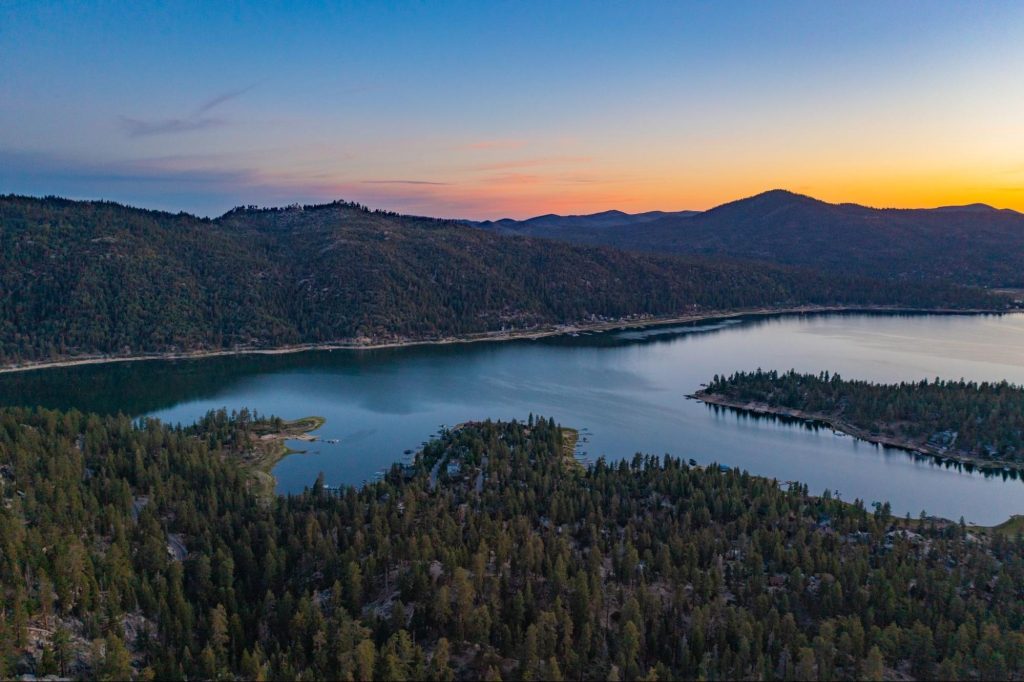
Big Bear Lake
Closer to Village, restaurants, lake activities.
Best for:
- Walkability
- Restaurants and shopping
- Coffee shops
- Events and nightlife
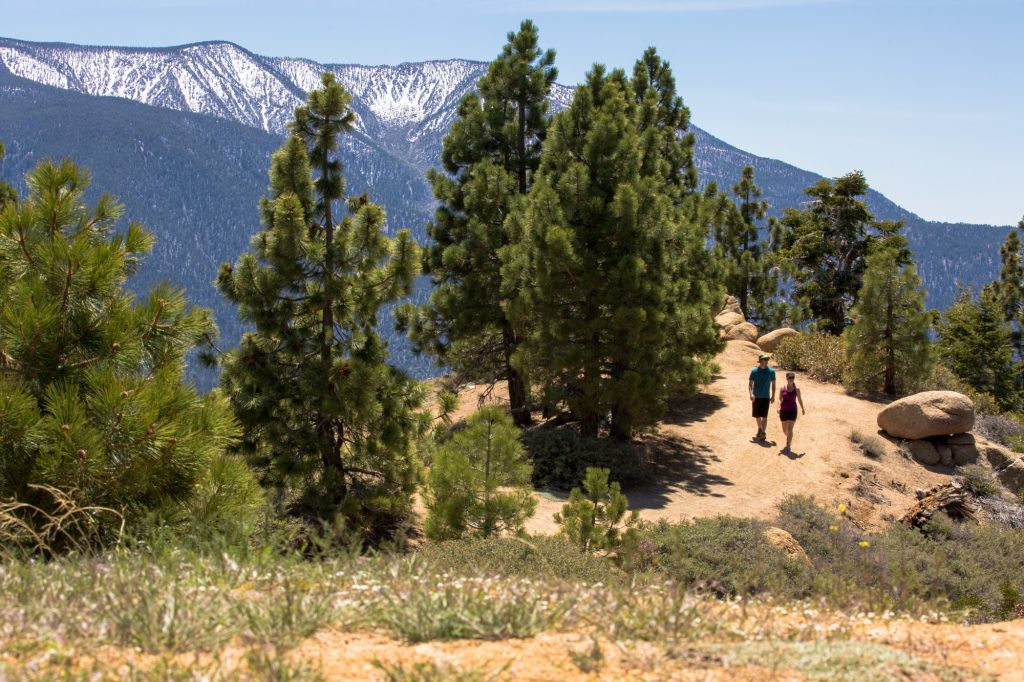
Sugarloaf
Quieter, forest access, lower price point.
Best for:
- Budget-conscious buyers
- Quieter residential neighborhoods
- Forest access
- Small-town mountain atmosphere
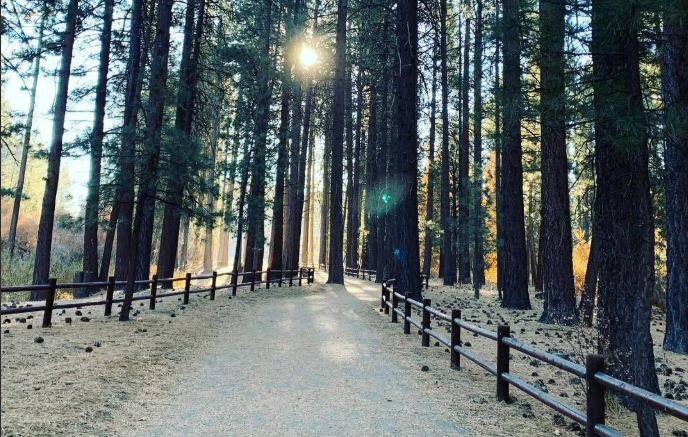
Moonridge
Near ski resorts and hiking.
Best for:
- Skiers and snowboarders
- Hikers and mountain bikers
- Active outdoor lifestyles
- Forest views and cabin living
Eagle Point
Lake proximity and family feel.
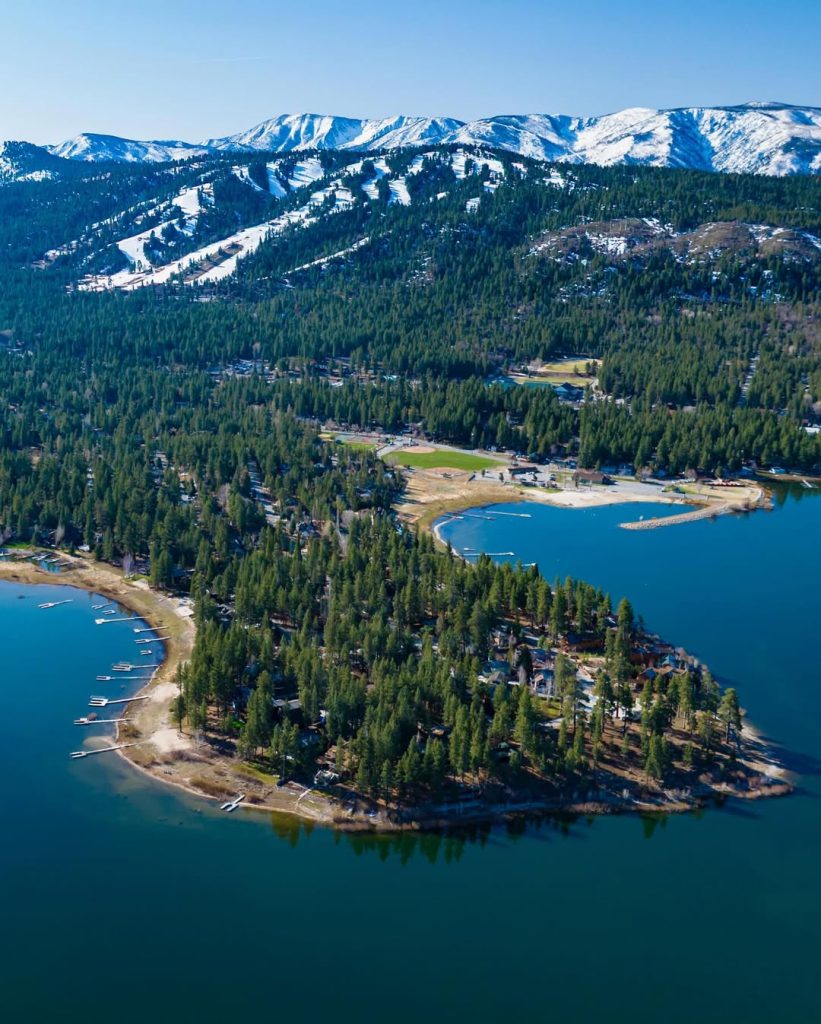
Best for:
- Lake lovers
- Families
- Boating and water activities
- Scenic views and walkable recreation
Fox Farm
Residential with larger lots.

Best for:
- Centralized convenience
- Those seeking space and privacy
- Luxury and diverse architecture
Cost of Living in Big Bear
Living in Big Bear offers a mountain lifestyle that many people dream about, but it comes with unique costs that are important to understand before making the move.
Living in Big Bear Reality Check
| Consideration | Big Bear Reality | What to Know Before Moving |
| Internet & Remote Work | Spectrum Cable & Frontier are available | Speeds are generally strong enough for Zoom/remote work, but outages can happen during severe winter storms. |
| Winter Logistics | High snow volume | You must budget for professional snow removal or a heavy-duty snowblower. 4WD/AWD vehicles are non-negotiable. |
| Schools | Bear Valley Unified School District | Small class sizes, community-focused, but fewer specialized extracurriculars compared to massive city districts. |
| Healthcare | Bear Valley Community Hospital | Great for everyday needs and emergencies, but major specialist visits may require driving “down the hill” to Loma Linda or Redlands. |
| Groceries & Shopping | Vons, Stater Bros, Local Boutiques | You have all the essentials, but bulk shopping (Costco/Target) requires a trip down the mountain. |
Things Nobody Tells You About Moving to Big Bear
Moving to Big Bear isn’t just a change of address. It’s a lifestyle shift. While the lake views, mountain air, and cabin living get most of the attention, there are plenty of everyday realities that newcomers don’t always expect.
Wildlife Is Part of Daily Life
In Big Bear, spotting wildlife isn’t reserved for hiking trails. Deer regularly wander through neighborhoods, squirrels seem to own every pine tree, and bears occasionally make surprise appearances. Residents quickly learn to secure trash, avoid leaving pet food outside, and respect that they’re sharing the mountain with its original residents.
Snow Changes Your Routine
Snow days look magical on Instagram. In reality, they often start with shoveling driveways, brushing off cars, and checking road conditions before heading anywhere. During winter storms, simple errands can take longer and flexibility becomes part of daily life.
Locals Know Each Other
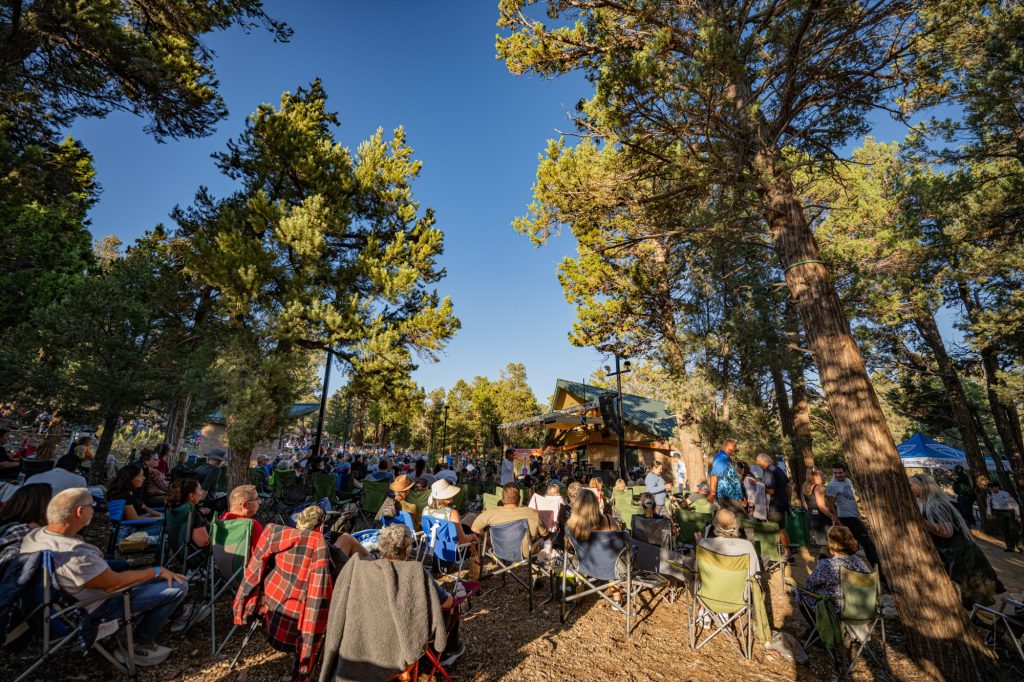
Big Bear has a small-town feel that’s becoming increasingly rare in Southern California. It’s common to run into familiar faces at the grocery store, local events, or your favorite coffee shop. The sense of community is one of the reasons many residents fall in love with mountain living.
Tourism Affects Traffic Patterns
Most weekdays feel surprisingly relaxed, but holiday weekends and peak tourism seasons can transform traffic patterns. Experienced locals learn when to avoid certain roads, schedule errands early, and embrace the rhythm of living in a destination that millions of visitors love.
Winter Preparation Matters
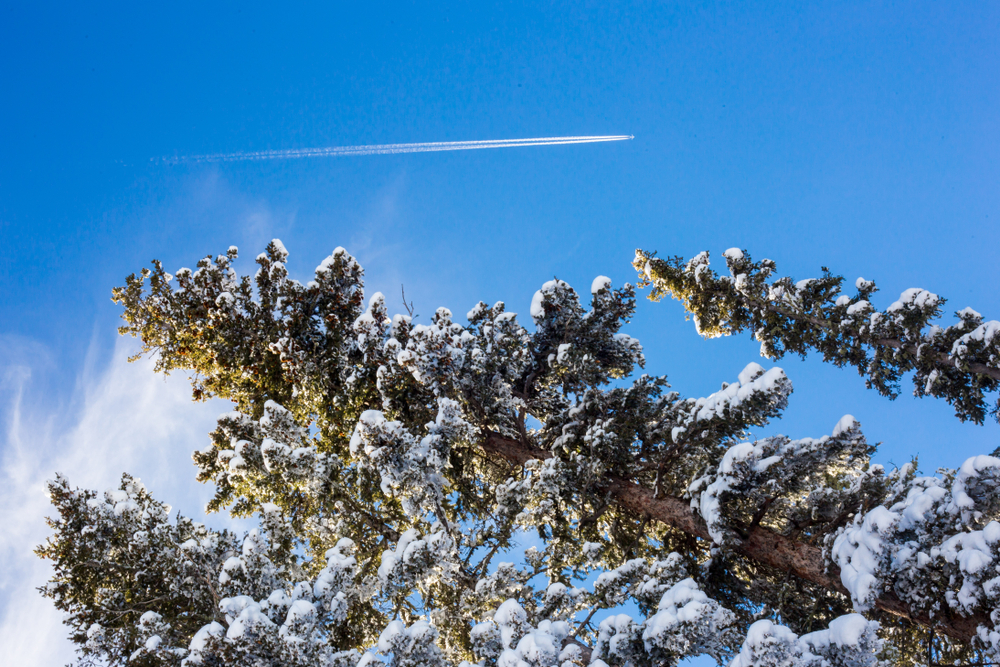
Mountain residents don’t wait until the first snowstorm to prepare. Firewood, snow shovels, tire chains, generators, and emergency supplies are often purchased long before winter arrives. A little preparation can make a huge difference when weather conditions change quickly.
Quiet Can Feel Amazing… Or Isolating
One of the biggest adjustments for newcomers is the quiet. The absence of constant traffic, sirens, and city noise can feel incredibly peaceful. For some people, however, the slower pace and distance from urban centers can take time to adjust to, especially during longer winter months.
You May Miss City Conveniences
Living in Big Bear means trading convenience for lifestyle. Late-night shopping runs, same-day deliveries, and endless restaurant options aren’t always available. Most residents find the tradeoff worthwhile, but it can be an adjustment if you’re used to having everything just minutes away.
The Stars Become Normal
One of the most surprising things about living in Big Bear is how quickly extraordinary views become part of everyday life. The night sky is often filled with stars that many Southern Californians rarely see. At first you’ll stop and stare. Eventually, you’ll realize that a sky full of stars has become your new normal — along with other mountain living adjustments, like the fact that not every home has a mailbox.
Moving to Big Bear Resource Center
Everything you need to plan your move, settle in, and start exploring life on the mountain.



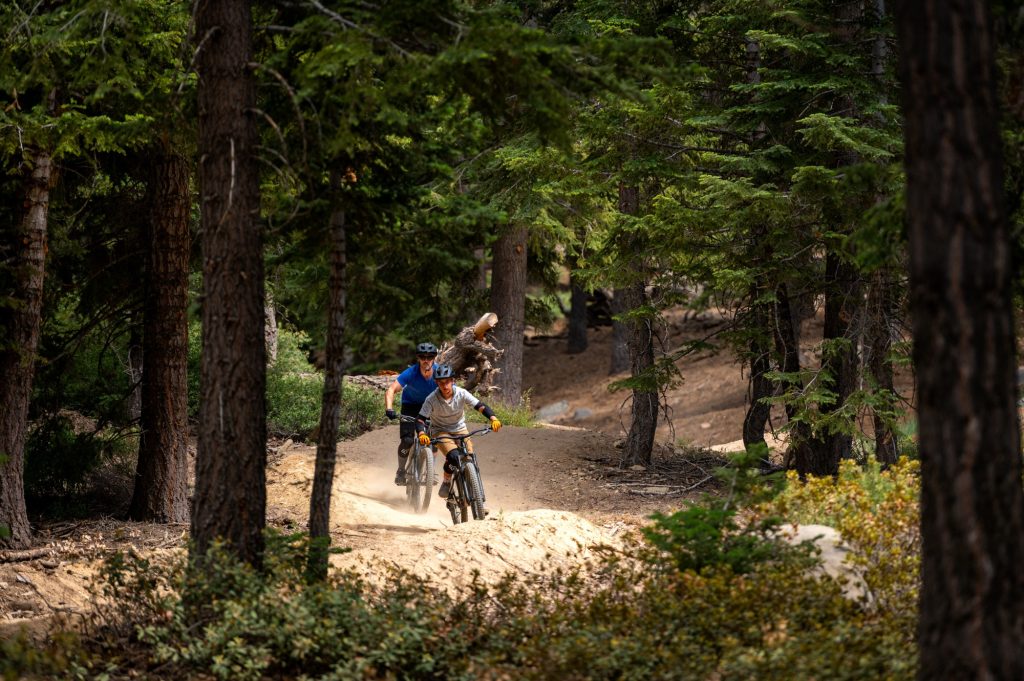


Thinking About Moving Here? Try Living Like a Local First
Before buying a home, signing a lease, or planning a permanent move, spend time experiencing Big Bear the way locals do.
A weekend getaway can show you the scenery. Living here for a few days or weeks can help you understand the pace, neighborhoods, weather, commute, and daily routines that make mountain life unique.
Whether you’re considering remote work, retirement, raising a family, or simply looking for a lifestyle change, staying in Big Bear first can help you decide if it’s the right fit.
Try Before You Buy: Book an Extended Stay
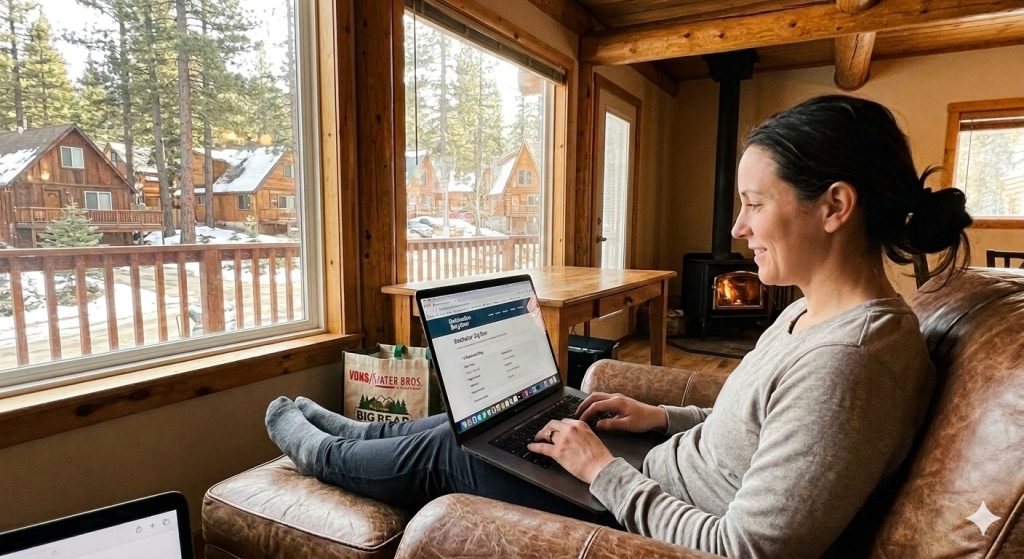
The best way to know if full-time mountain living is right for you is to experience it for yourself! Before calling a realtor, book a 1-to-2 week extended stay in a Destination Big Bear cabin.
Renting a cabin in a residential neighborhood like Moonridge or Fox Farm allows you to test your commute, experience the local grocery stores, and see what the internet speeds are like for your remote work setup.
Buying a Second Home? Let It Pay For Itself
If you aren’t ready to move up full-time, buying a second home in Big Bear is a fantastic investment. Destination Big Bear partners with homeowners to manage their properties as short-term vacation rentals. You get to enjoy your mountain home whenever you want, and we handle the marketing, bookings, and cleaning to generate revenue while you are back in the city.
FAQs About Moving to Big Bear
Big Bear can be more expensive than many inland Southern California communities, particularly when it comes to housing, insurance, utilities, and home maintenance. However, residents often find savings in entertainment and recreation since hiking, biking, fishing, and lake activities are available right outside their door.
Yes. Many residents work remotely while living in Big Bear. Most neighborhoods have access to reliable high-speed internet, making it possible to stay connected while enjoying a mountain lifestyle. Remote workers are one of the fastest-growing groups relocating to the area.
Snowfall varies significantly from year to year. Some winters bring only a few storms, while others can deliver several feet of snow. Higher elevation neighborhoods typically receive more snow than lower areas. Winter weather is one of the reasons many residents choose Big Bear, but it also requires preparation and flexibility.
The best neighborhood depends on your lifestyle. Big Bear Lake offers proximity to restaurants, shopping, and lake activities. Moonridge is popular for skiing and hiking access. Fox Farm provides larger residential lots and a quieter atmosphere. Eagle Point offers convenient lake access and family-friendly neighborhoods, while Sugarloaf is often one of the more affordable options for buyers.
Yes. Families are drawn to Big Bear for its outdoor recreation, highly rated community atmosphere, year-round activities, and access to nature. Many parents appreciate the slower pace of life, larger properties, and opportunities for children to spend more time outdoors.
Big Bear is approximately 100 miles from Los Angeles. Most residents and visitors can reach the mountain in about 2 to 3 hours, depending on traffic, weather, and where they are starting from within the Los Angeles area.
Absolutely. While Big Bear is a popular vacation destination, thousands of full-time residents live on the mountain year-round. Locals experience all four seasons and enjoy a strong sense of community that extends beyond the tourism industry.
Big Bear’s largest industries include tourism, hospitality, vacation rentals, restaurants, retail, healthcare, education, construction, property management, and outdoor recreation. Many residents also own small businesses or work remotely for companies located elsewhere.
Yes. Many residents work locally in hospitality, healthcare, construction, education, real estate, retail, and service industries. However, wages are often lower than in major metropolitan areas, so it’s important to research employment opportunities and housing costs before relocating. For some residents, a combination of local work, self-employment, or remote income provides the most flexibility.


